
7 Resilient Strategies for Manufacturers to Thrive in Tough Economic Times
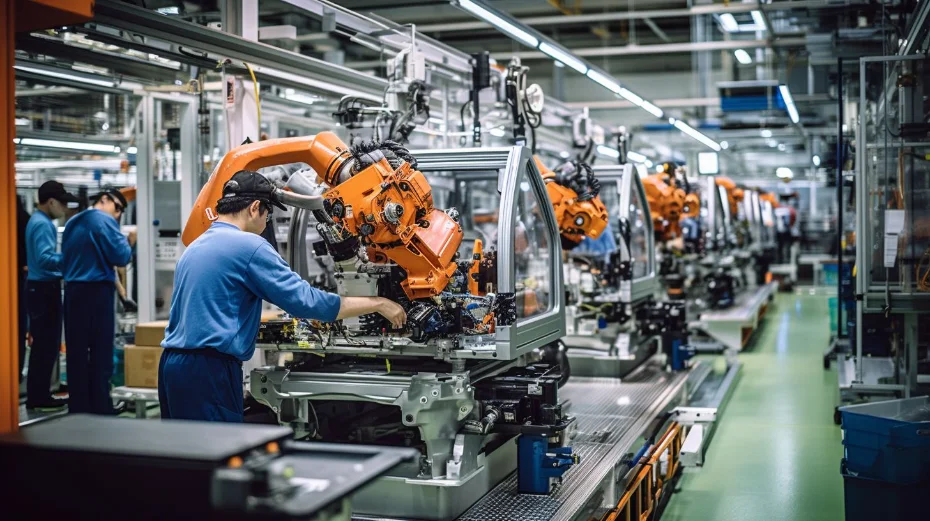
Manufacturers face an increasingly complex economic landscape with high inflation, high interest rates, fluctuating consumer demand, and ongoing global supply chain challenges. Many small to medium-sized manufacturers are asking the same question: how do we stay resilient and grow in uncertain times?
History shows us that adversity can be a launchpad for success. Industry giants like General Electric, IBM, and Microsoft all found their footing during economic downturns. Today, your manufacturing business has the same opportunity to thrive.
Here are seven strategies that can help your manufacturing operation build resilience and seize growth opportunities, even during an adverse economy.
1. Diversify Your Offerings
Lean times demand innovative thinking. Now’s the time to ask: What else can we manufacture? Are there emerging needs in our market we can meet?
The pandemic taught us that manufacturers who pivot quickly gain an edge. Fast forward to 2025 and beyond, keep an eye on growing sectors like renewable energy components, electric vehicle parts, and smart home devices. Adapt your capabilities to serve new industries or expand within your current one.
2. Streamline Operational Costs Without Sacrificing Growth
Instead of defaulting to cutting labour, look deeper:
- Audit your recurring expenses and supplier agreements
- Negotiate better terms or seek alternative vendors
- Embrace automation and Industry 4.0 tools to enhance efficiency
- Invest in inventory management systems to avoid overstocking and reduce waste
Remember, your workforce is still your greatest asset. Shift underused labour into quality control or customer service roles to maintain high standards and reinforce client relationships.
3. Reinvest in Strategic Marketing
When times get tough, many businesses slash their marketing budget. Don’t make that mistake.
Focus your efforts instead:
- Identify your most profitable market segments, then go “inch wide, mile deep”
- Leverage low-cost, high-impact tools like LinkedIn, newsletters, and case studies
- Promote your capabilities to sectors that continue to invest, such as defence, healthcare, and essential infrastructure
Collaborate with other local manufacturers or industry partners for co-marketing initiatives. Pooled resources can amplify reach and reduce costs.
4. Tap Into New Markets
Are there industries you’ve never targeted before? Could your products serve a new function?
- Explore B2B opportunities: perhaps your components could be used in adjacent industries
- Consider international markets with strong demand for Australian-made products
- Target local government and institutional contracts, which often increase spending during downturns
Innovation isn’t always about invention, as sometimes it’s about reinvention.
5. Offer Smart Incentives and Flexible Terms
Everyone’s watching their budgets in an economic downturn. Offering value-added options can tip the scale in your favour.
- Bundle products or services into cost-effective packages
- Provide volume discounts or loyalty programs to long-term customers
- Extend flexible payment terms to ease cash flow concerns for buyers
Tailored promotions can keep your order book full while nurturing deeper customer relationships.
6. Strengthen Relationships With Existing Clients
Your current customers are your easiest path to increased revenue. They already trust you.
- Check in regularly to understand their evolving needs
- Offer post-sale support that exceeds expectations
- Share useful insights or trends that can help them
A strong relationship today can lead to multi-year contracts tomorrow.
7. Upskill Your Team to Boost Morale and Performance
Training is often the first casualty during a slowdown, but it shouldn’t be.
- Invest in leadership development, lean manufacturing, or digital skills
- Encourage cross-training to make your workforce more flexible
- Use slower periods for internal workshops, process reviews, or innovation sprints
Investing in your team now will pay dividends in retention, productivity, and future growth.
Final Thoughts
While you can’t control economic cycles, you can control how your business responds. With the right strategies, small to medium manufacturers can turn challenging conditions into a competitive advantage.
The manufacturing businesses that emerge stronger from economic adversity are those that innovate, focus, and double down on customer value.
About the Author
Tony Meredith is a business coach helping manufacturers and business owners grow sales, lead better, and reclaim their time. With over 25 years in leadership and sales roles for global companies, Tony now works directly with SMBs across Australia to build resilient, future-ready operations.
